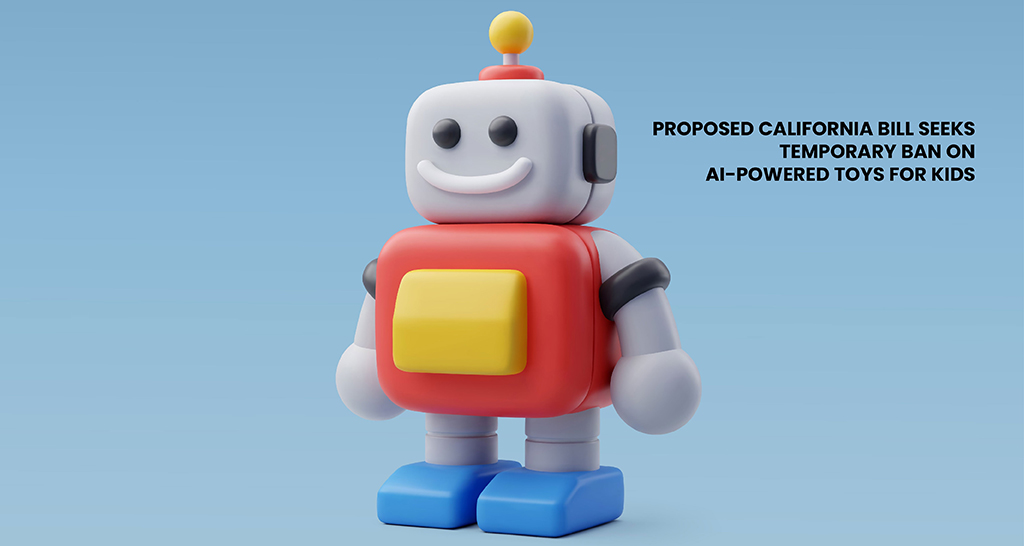
A lawmaker from California has put forward a bill that aims to place a four-year ban on toys that come with artificial intelligence chatbots. This move is driven by rising worries about child safety, privacy, and emotional health. The proposed law intends to pause the production and sale of these toys for kids while the state works on creating clearer guidelines and protections for this fast-changing technology.
The proposed bill seeks to ban toys that utilize conversational AI to engage directly with kids. This includes toys that can respond to voice commands, mimic companionship, or change their behaviour based on how often they are interacted with. The lawmaker advocating for this measure believes that existing regulations have not kept up with the rapid advancements in AI technology, which could expose children to risks that we still do not fully understand.
Supporters of the proposal believe that AI-powered toys present unique challenges that set them apart from traditional digital products. Unlike apps or games, children often see toys as trusted friends, which makes it tough for them to tell the difference between programmed responses and genuine emotional understanding. Experts in child development caution that spending too much time with chatbot-driven toys could affect behavior, blur emotional boundaries, or even expose kids to inappropriate content if safety measures fall short.
Privacy is a big concern these days. A lot of AI-powered toys depend on microphones, internet access, and data collection to work properly. This has lawmakers and consumer advocates worried that kids’ conversations might be recorded, stored, or analyzed without proper transparency or consent, which raises the chances of data misuse or breaches.
The suggested four-year pause aims to provide regulators, researchers, and industry stakeholders with the necessary time to explore the long-term impacts of AI interactions on children. This break will also allow them to create enforceable safety standards. During this time, lawmakers are looking to establish clear guidelines on data collection, content moderation, age-appropriate design, and disclosure requirements for AI products targeted at minors.
The proposal has ignited a lively discussion in both the technology and toy sectors. Critics are concerned that implementing a blanket ban might stifle innovation and hinder the creation of educational or therapeutic tools that use AI responsibly to enhance learning and creativity. They argue that a more focused approach to regulation, instead of an outright ban, would strike a better balance between fostering innovation and ensuring safety.
If this bill gets the green light, California could lead the way in regulating artificial intelligence in products aimed at kids. Experts believe that the results here might inspire similar laws in other states and spark a national dialogue on how we should incorporate AI into items meant for our youngest generation.